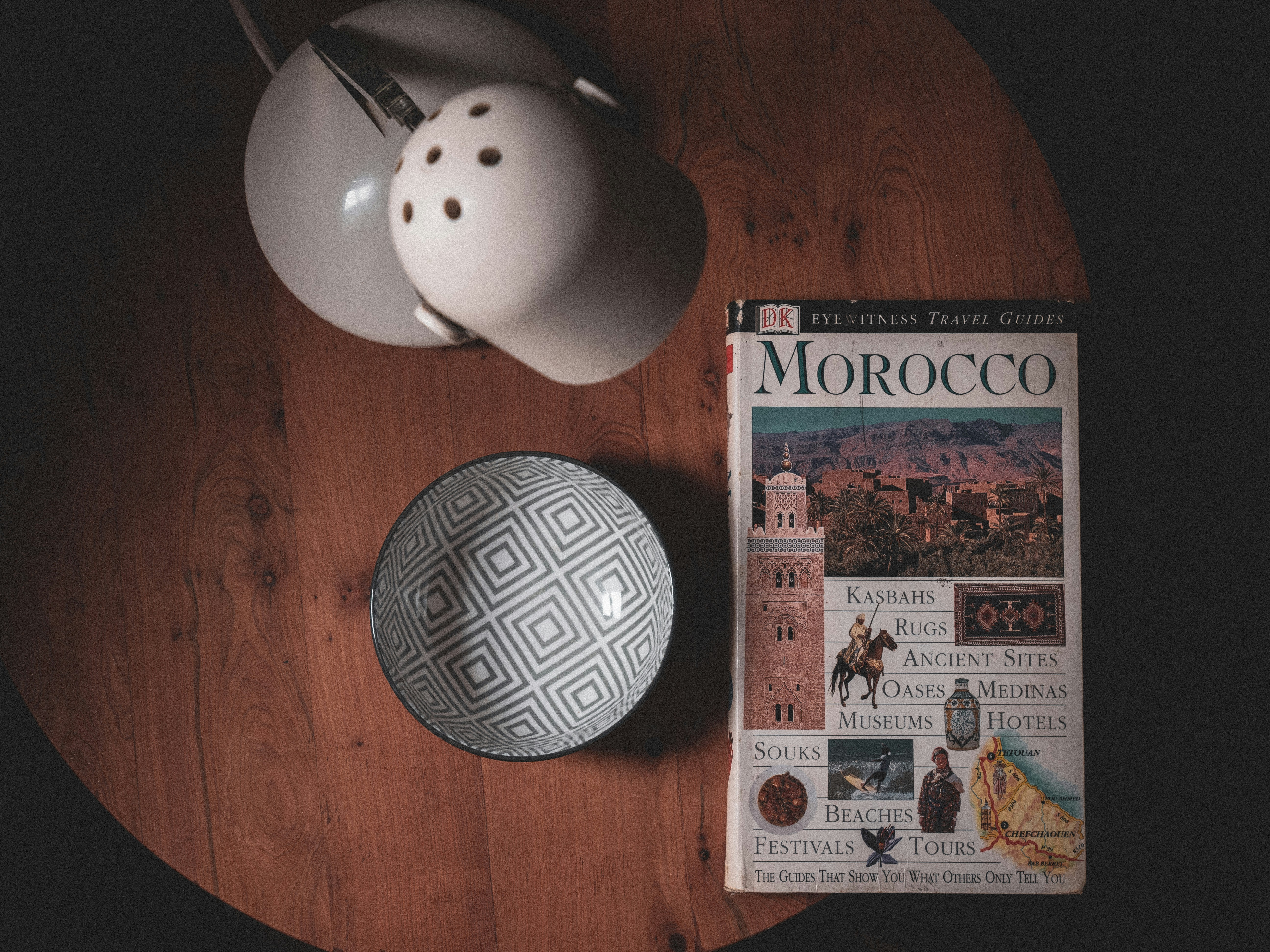
Top Destinations to Explore in Morocco
Morocco is a treasure trove of vibrant culture, stunning landscapes, and rich history, making it an irresistible destination for travelers. Among its many remarkable cities, Marrakech stands out with its bustling souks, exquisite palaces, and the iconic Koutoubia Mosque. The vibrant Djemaa el-Fna square, with its array of street performers, food vendors, and traditional storytellers, provides an unparalleled sensory experience.
Another gem is Fes, home to one of the world’s largest car-free urban areas, the Fes el-Bali medina. This UNESCO World Heritage site is famous for its narrow winding streets, historical mosques, and ancient tanneries, showcasing Morocco’s enduring craftsmanship. A visit to the Bou Inania Madrasa offers a glimpse into the intricate architecture and the educational history of the region. Fes is ideal for those seeking an immersive cultural journey.
Chefchaouen, the blue city, captivates visitors with its picturesque blue-washed buildings set against the stunning Rif Mountains. This serene destination is revered not just for its charm but also for hiking trails that lead to breathtaking views, such as the hike to the Akchour waterfalls. Artists and photographers find inspiration in Chefchaouen’s serene ambience and striking visuals.
Finally, Essaouira presents a coastal escape with its fortified medina and vibrant arts scene. The windswept beaches attract water sports enthusiasts, particularly windsurfers and kite surfers. The local seafood cuisine can be savored at the bustling port, where fresh catches are grilled to perfection. Each of these destinations reflects the diverse beauty of Morocco, catering to a range of interests and experiences.
Understanding Moroccan Culture
Morocco boasts a rich cultural tapestry woven from a variety of influences, including Berber, Arab, Andalousian, and French traditions. Each of these components has played a significant role in shaping the nation’s identity, creating a unique blend that is evident in its arts, architecture, and daily life. The Berber heritage, for instance, is reflected in traditional crafts such as woven carpets and intricate pottery. These artisan skills pass down through generations, underscoring the immense value placed on heritage and craftsmanship.
Music and dance are vital aspects of Moroccan culture. The vibrant sounds of Gnawa music, characterized by its heavy use of percussion and spiritual roots, exemplify the soul of the people. Similarly, the celebration of festivals like Moussem attracts locals and tourists alike, showcasing traditional music, colorful attire, and regional cuisine. Visitors can immerse themselves in local dances, such as the Ahidous and the Chaabi, which are often performed during celebrations and provide a glimpse into the joy of Moroccan communal life.
As one navigates through this culturally rich landscape, it is crucial to engage respectfully with local customs and practices. Observing dress codes, especially in rural areas, and partaking in greetings—such as a simple “Salam Alaykum”—fosters mutual respect. When entering homes or mosques, removing shoes is a customary practice that demonstrates humility and appreciation for local traditions. It is also advisable to ask permission before taking photographs of people, as a gesture of respect for their privacy. These small yet significant actions can greatly enhance your interaction with Moroccan culture, offering a more enriching experience during your travel adventures.
Adventuring into the Moroccan Desert
Exploring the desert landscapes of Morocco offers travelers a unique and unforgettable experience, highlighted by the vastness of the Sahara Desert. One of the primary ways to discover the arid wonders is through guided tours, available in a variety of formats to suit different tastes and preferences. Travelers can choose between the traditional camel trekking experience, where they ride on the backs of camels through the ever-shifting sands, or opt for a faster-paced adventure in a 4×4 vehicle for a more extensive exploration of the terrain.
Camel trekking is an iconic activity that immerses participants in the vibrant Berber culture. As part of the experience, visitors often camp under the stars in traditional Berber tents, enjoying Moroccan tea and local cuisine around a campfire. This option is particularly appealing to those who seek a deeper connection with the desert environment and its historical significance.
On the other hand, 4×4 tours are suited for travelers who may be short on time or looking for a more thrilling approach. These tours can cover a greater distance, enabling groups to visit significant sites within the desert, such as the Erg Chebbi dunes or the ancient city of Ait Benhaddou. Both methods of exploration, while different in approach, offer rich opportunities to witness the stunning landscapes and unique flora and fauna of the region.
When planning a desert adventure in Morocco, timing is crucial. The best months to visit are typically from October to April, when cooler temperatures make for more comfortable exploration. Preparation is key; ensure you bring sufficient water, sun protection, and appropriate clothing for both day and evening temperatures. Choosing the right tour package also involves considering customer reviews and the experience level of your guides.
Culinary Delights: A Taste of Morocco
Moroccan cuisine offers a vibrant tapestry of flavors, textures, and aromas that reflect the nation’s rich cultural blend. Drawing influences from Arab, Berber, and Mediterranean traditions, the culinary landscape features a variety of dishes that marry spices like cumin, cinnamon, and saffron with fresh ingredients. An iconic example is the tagine, a slow-cooked stew named after the earthenware pot it is prepared in. This dish can incorporate meats, vegetables, and dried fruits, allowing for endless variations that highlight seasonal ingredients.
Another staple of Moroccan cuisine is couscous, often served as a base for stews or accompanied by rich sauces and meats. Traditionally made from semolina, couscous is a versatile side that can easily adapt to different flavors. It is customary to enjoy these dishes family-style, promoting sharing and fostering connections around the dining table.
For those looking to experience Moroccan flavors in a casual setting, street food offers an array of delicious options. Numerous food stalls can be found in bustling markets, known as souks, where vendors serve everything from brochettes (grilled skewers) to briouates (savory pastries). Don’t miss the chance to sample traditional mint tea, a symbol of hospitality and an integral part of Moroccan social life. The preparation of this drink is often a ceremonious affair, showcasing the importance of ritual in Moroccan culture.
When exploring Moroccan cuisine, it is essential to observe local dining etiquette. Meals are typically enjoyed without utensils, using bread as a means to scoop food. It is also polite to eat with the right hand and to offer food to others before serving oneself. To fully immerse in these culinary delights, visiting local food markets and reputable restaurants can enrich your experience, providing not just taste but also a deeper understanding of the cultural significance behind each dish.
Travel Tips for First-Time Visitors to Morocco
Planning a trip to Morocco can be an exciting yet daunting endeavor, especially for first-time visitors. Understanding visa requirements is crucial; depending on your nationality, you may need to secure a visa prior to your arrival. Citizens from many countries, including the EU, the US, and Canada, can enter Morocco visa-free for up to 90 days. Always check the most recent guidelines to ensure a hassle-free entry.
Transportation within Morocco can vary significantly. Major cities like Marrakech and Casablanca are well-connected through an extensive public transport system including buses and trains. For a more local experience, consider using taxis or ride-sharing apps, but be sure to negotiate the fare beforehand or confirm the meter is running. If you are exploring remote areas or the Sahara Desert, renting a car is advisable, although be aware that driving styles and road conditions may differ from what you’re used to.
Safety should always be a top priority when traveling. While Morocco is generally safe for tourists, it is wise to remain vigilant regarding your surroundings. Avoid displaying valuables and be cautious in crowded areas. Also, familiarize yourself with cultural etiquette; dress modestly, especially in rural areas, and learn a few basic Arabic phrases to enhance communication with locals.
Budgeting is another important aspect of travel planning. Morocco is relatively affordable, though prices can vary. Street food is a delightful and economical way to experience local cuisine, while dining in upscale restaurants will naturally increase your expenses. To make the most of your spending, set a daily budget that allows for both experiences and souvenirs.
As for packing, include lightweight layers, comfortable walking shoes, and essentials such as sunscreen and a hat, as conditions can change throughout the day. The best time to visit Morocco is during spring (March to May) or fall (September to October) when the weather is mild, making it perfect for exploring the rich culture and vibrant landscapes. These travel tips aim to equip first-time visitors with the necessary knowledge for an enjoyable journey in Morocco.


